
THE MILA METHOD
Built from scratch.
Not borrowed from surgery.
Home the same day. Tell no one. Your result keeps building for up to 90 days as your own collagen responds.
MILA is laser-assisted, and most procedures are performed awake, without general anesthesia. The same energy that lets the surgeon work faster and gentler sets off 90 days of collagen renewal afterward. No operating room. Nothing like the facelift you're picturing — because it isn't one.
THE ORIGIN
Why the procedure needed to be rebuilt.
Dr. Theodorou didn't come to this as a traditional facelift surgeon — he came as the surgeon who developed the technology, working at the intersection of laser science and surgery and bringing energy-based platforms into clinical practice. That's the point. He saw that the face had been left behind: body surgery had gained enormously from laser and energy-based advances — faster work, less trauma, faster recovery — while facial surgery was still largely where it had been in the 1990s. MILA began as a question: what would this procedure look like if it were designed today, with the technology now available? Today he performs MILA procedures personally in New York.
Rebuilt.
Not Revised.
HOW IT WORKS
The MILA Method. Step by Step.
Phase 1
Sedation, without general anesthesia.
A MILA begins with sedation tailored to you. You're relaxed and comfortable — no intubation, no breathing tube, no prolonged grogginess — and home the same day.
Phase 2
Laser-assisted access.
The laser creates cleaner incisions than a blade: less trauma to capillaries (less bleeding and bruising) and less disruption to the lymphatic system (less swelling, faster resolution).
Phase 3
Structural repositioning.
The foundational work — SMAS tightening, tissue repositioning, and restoring the facial vectors time has shifted. Structural correction, not surface tension.
Phase 4
Thermal stimulation: the effect that builds.
The laser's thermal effect activates the cells responsible for collagen, and new collagen keeps forming for up to 90 days. Results build and refine long after you're back to normal life.
Phase 5
Closure and recovery.
Incisions are closed in natural skin folds and along the hairline. You then recover in our office until you're stable and ready — every patient is discharged the same day, and most feel noticeably refreshed within the first week.
THE CLINICAL SIGNIFICANCE
What This Changes. Clinically.
Recovery
Traditional: 4–6 weeks
MILA: 7–14 days to comfortable social appearance.
Reduced tissue trauma and vascular disruption typically mean less bruising and swelling, and faster resolution of both.
Results
Traditional: stable at 6–8 weeks
MILA: continues to improve over the first three months.
Post-procedure collagen stimulation drives ongoing tissue improvement, so the result at three months typically exceeds the early result.
Anesthesia
Traditional: general anesthesia, intubation, full OR
MILA: awake sedation, no intubation, accredited facility. A MILA avoids the risks associated with general anesthesia, including intubation.
General anesthesia carries inherent risks: respiratory events, prolonged sedation effects, extended OR exposure.
THE SURGEON
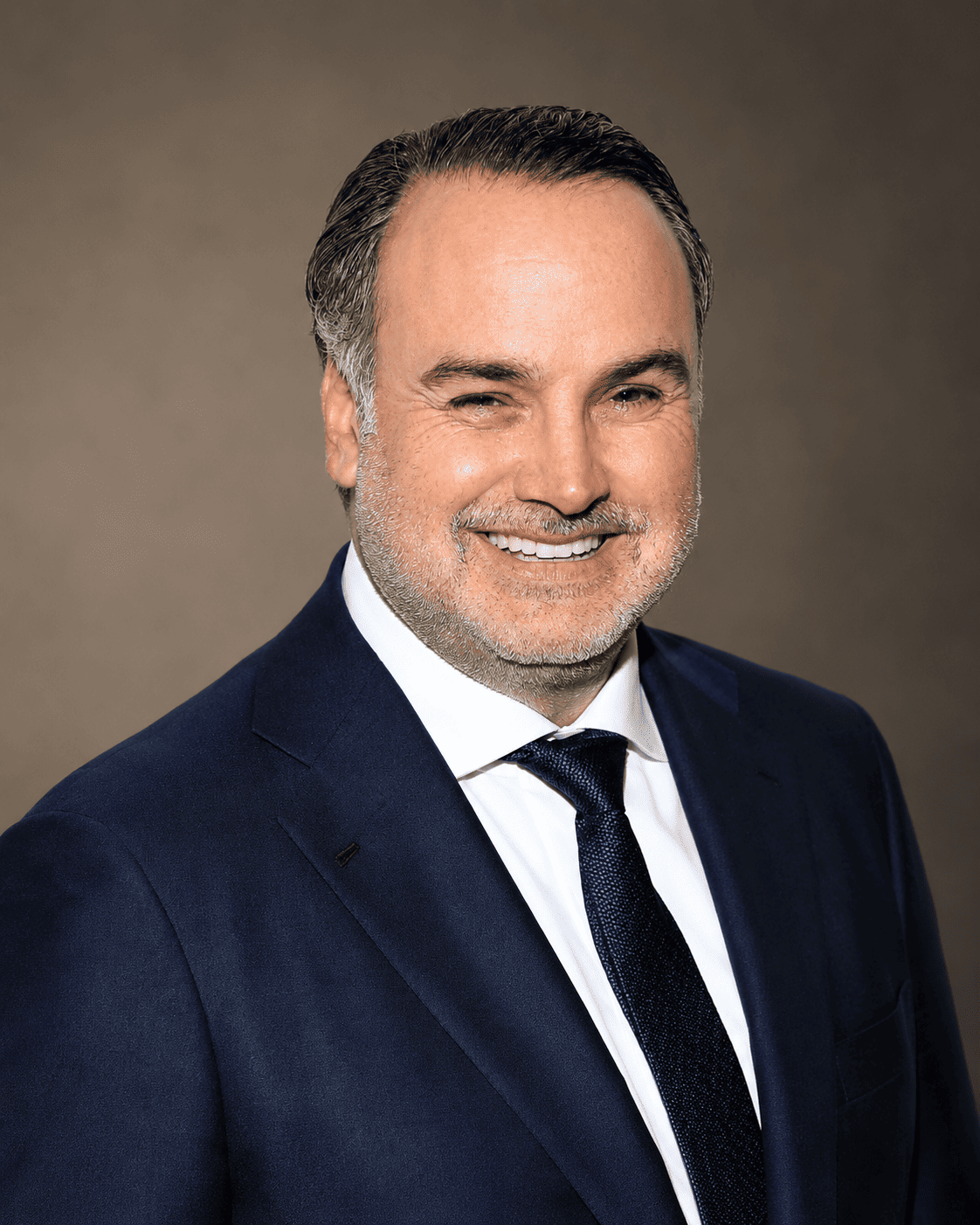
Dr. Spero Theodorou
Founder & Chief Medical Officer.
He developed the laser and RF technology behind MILA as Chief Medical Officer of InMode (2015–2024), developing FaceTite, BodyTite, Morpheus8, and EmbraceRF. 30+ peer-reviewed publications. MILA is the direct application of that work to the procedure it was designed for.
FREQUENTLY ASKED
The Questions Worth Asking.
What is a MILA?
A MILA uses FDA-cleared laser energy at each surgical layer instead of traditional mechanical instruments — for cleaner incisions, less trauma to surrounding tissue, and a faster recovery. The laser is used throughout, not added on at the end.
Is it safe to be awake? / Will I need general anesthesia?
Yes. A MILA is designed to keep you comfortable without general anesthesia. Your sedation plan is tailored to you and overseen by the clinical team, and the procedure is performed at an accredited facility — avoiding the risks associated with general anesthesia, including intubation.
Why do results keep improving for 90 days?
The laser's thermal effect stimulates your own collagen. New collagen continues forming for up to 90 days, so the result refines and improves over the first three months rather than simply settling.
How is the MILA Method different from a deep plane facelift?
Both address the deeper structural layer of the face. A MILA does it laser-assisted, with same-day recovery. Your surgeon will discuss which approach best fits your anatomy and goals at your consultation.
Does the laser create additional scarring?
Incisions are placed in concealed locations — natural skin folds and along the hairline. The laser is used to work more precisely through them, with the goal of less surrounding tissue trauma.
Who developed the MILA Method and how long has it been in use?
Dr. Spero Theodorou, MILA's Founder and Chief Medical Officer, who developed the laser and RF technology behind it as Chief Medical Officer of InMode from 2015 to 2024.
See the MILA Method for Yourself.
Your first step is a conversation with our Patient Care Consultant. Not a sales pitch. They'll answer every question, learn what matters to you, and match you with your MILA surgeon when you're ready. No pressure. Just clarity.
Book a Consultation